Objectives, allocation targets, risk limits and constraints.
SISSL TECHNOLOGY
When every rule matters, the rules need to work together.
Investment strategy, risk, compliance and execution are usually handled by different teams using different systems. Uliaa starts from a simpler observation: underneath their different purposes, these rules can be expressed as one coherent mathematical description.
01 / The endless loop
Everyone is doing their job, but the portfolio still goes in circles: analysts set objectives, portfolio managers propose allocations, compliance sends it back for adjustments. And just when you think you’re ready to send it all to the trading desk, an analyst has “just one more thing” to add. Sounds familiar?
In a typical fund-management workflow, the investment analyst defines the strategy, the portfolio manager applies it, compliance checks the result and trading works out how to execute it. Each department uses its own tools and workflows to model the problem.
Rebalancing decisions and the holdings the fund should own.
Restrictions, approvals and the occasional “one more thing”.
Execution rules for placing the required orders in the market.
02 / The communication problem
Explaining a strategy through a fixed menu of rules is a little like playing charades.
The experts already understand what they want to say. A rigid rules platform can be great for quick adjustments, but it can fall short when you’re trying to capture maximum edge in a tight market, or enforce an unusual compliance rule your vendor didn’t anticipate.
“I know exactly
what I mean.”
Choose from the rules
the platform already knows:ENABLE RULEPARAMETISEEXCEPTIONSMANUAL WORKAROUNDS
The rule system is a communication medium
01 / The question
What if every specialist could describe the rules they actually mean directly?
03 / RULES ARE RULES
Different departments. Different purposes. But underneath, the rules are surprisingly similar. Apply them one after another and you lose time, flexibility and precision—and, ultimately, your edge.
Consider four deliberately simple examples. They sound like different kinds of instructions because different specialists own them:
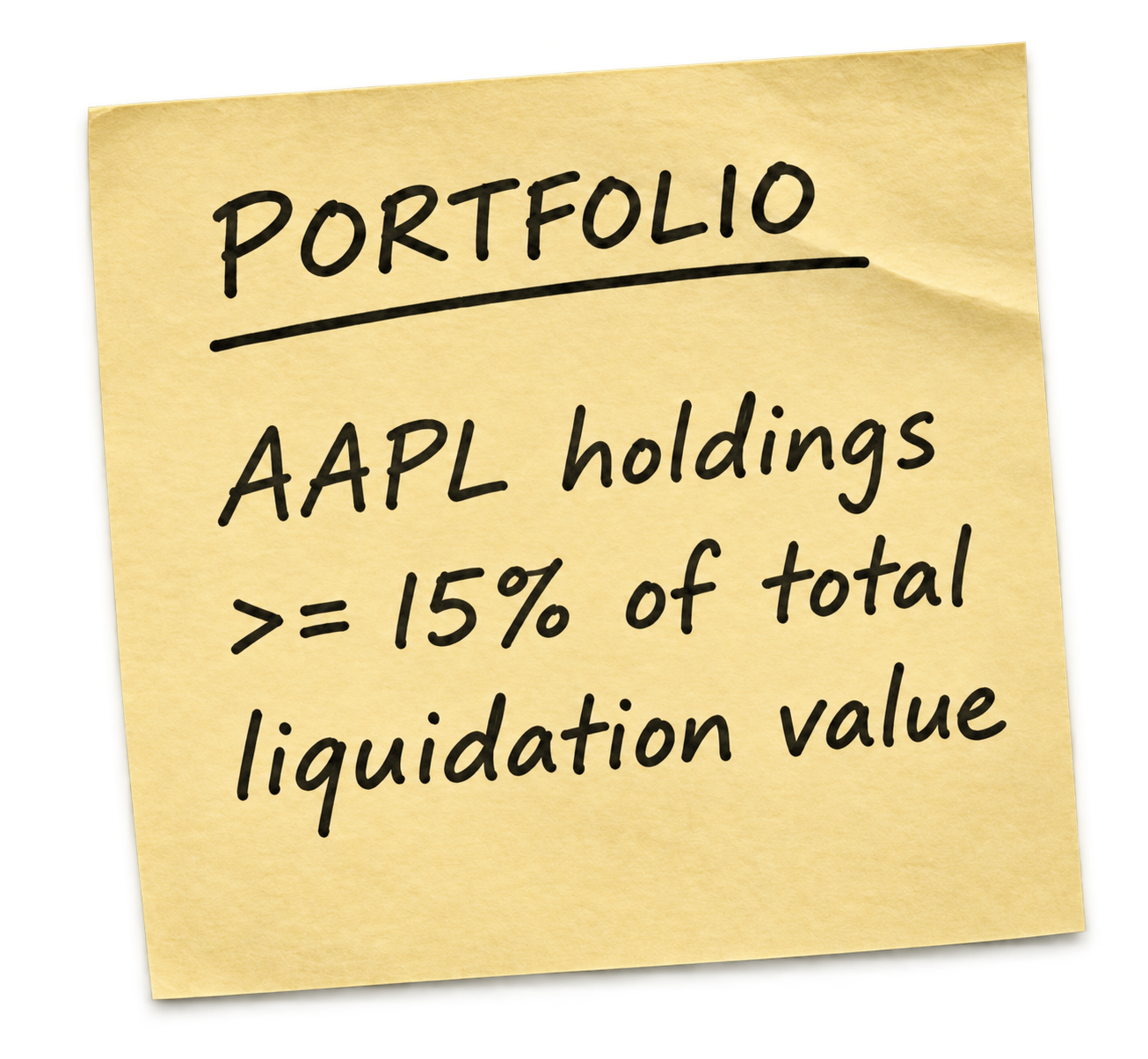
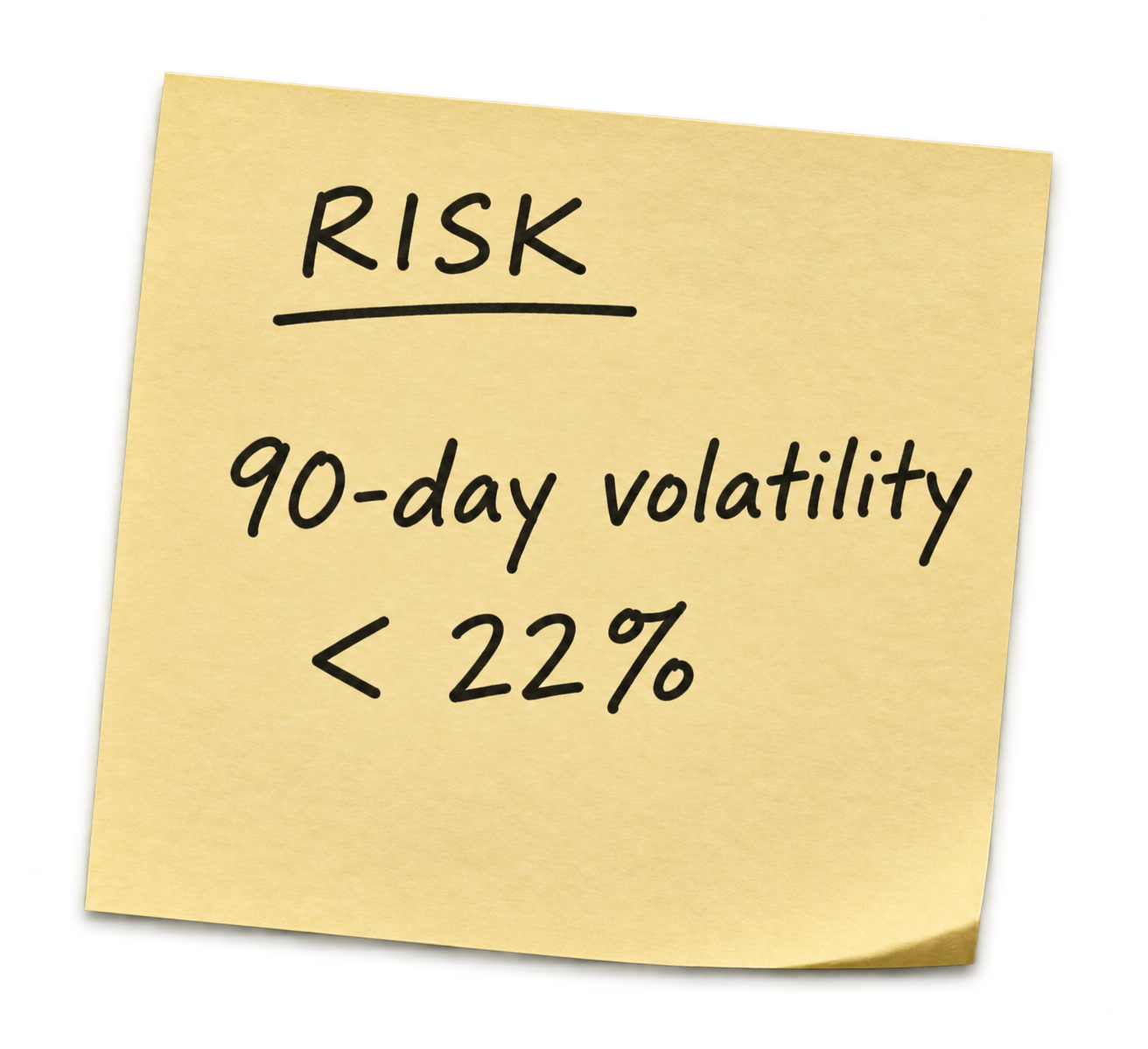


To your quantitative analysts, they all look like the same kind of maths:
Uliaa does not require customers to classify a rule as “compliance”, “allocation” or “trading” before they can express it. It treats the requirements as a coordinated description of the portfolio, the market and the decisions that must be made.
Separate rule platforms
Apply. Check. Adjust. Repeat.
Each specialist system knows its own vocabulary. The combined result is reconciled through a feedback cycle between teams and tools.
Uliaa’s general-purpose engine
Describe the requirements together.
Even an execution technique can be considered alongside portfolio and compliance requirements when it is expressed as part of the same mathematical description.
04 / MATHEMATICS IN ACTION
The purpose and intent change. The language should not.
Using SISSL, each department’s requirements can be expressed precisely in a common mathematical language. The engine considers them together, solving for a coordinated, compliant rebalancing outcome in a single pass. The notation below illustrates how SISSL can represent some of the equations above.
orders of AAPL * ask_price of AAPL * fx of USD >= 15% of total_value

total_value := sum of:
  for all x :: instrument:
    if position of x >= 0:
      position of x * ask_price of x * fx of currency of x
    if position of x <= 0:
-(position of x) * bid_price of x * fx of currency of xorder_price of AAPL =
(average of (
ask_price of AAPL * volume of AAPL
) over execution_period)
/
(average of (
volume of AAPL
) over execution_period)* These fragments are illustrative only; they are not complete production strategies.
05 / The result
From one coordinated decision to actual market orders.
The result of a portfolio rebalance is not another abstract rule report. The SISSL engine produces a target portfolio together with the corresponding proposed market orders, reflecting the strategy, its constraints, compliance rules and execution requirements.
Rebalance complete
| Instrument | Current | Current % | Target | Target % | Side | Order | LIMIT | Total price | Fees |
|---|---|---|---|---|---|---|---|---|---|
| US T 4 1/8 02/15/27 | — | — | 16,390.000 | 15.00% | BUY | +16,390.000 | 100.079 | 1,640,294.81 | 1,640.30 |
| AAPL / XNAS | — | — | 9,599.00 | 30.00% | BUY | +9,599.00 | 346.48 | 3,325,861.52 | 3,325.86 |
| EUR/USD | — | — | — | 0.00% | SELL | −4,528,210.6090 | 1.0967 | 4,966,088.57 | 4,966.09 |
| EUR cash | 10,000,000 | 99.91% | 5,471,789.39 | 55.00% | HOLD | — | — | — | — |
| USD cash | 10,000 | 0.09% | — | 0.00% | HOLD | — | — | — | — |
* Illustrative only
Bring your own challenge
Bring your hardest problem. Let's work through it.
Bring a representative portfolio, a few instruments and a real investment challenge. We'll use SISSL to model your requirements, run them against representative data and explore the resulting portfolio and orders together.
Book a Demo01Bring a challenge
Start with the investment problem that matters to your team.
02Share representative data
Send a focused sample of the market data relevant to your challenge, so we can prepare the right scope.
03Shape the rules together
We'll translate your requirements into a transparent mathematical model, live during the demo.
04Explore the result
* The depth of the demo session depends on data and scope made available ahead of the demo.Review the portfolio, constraints and proposed orders together.